The Tamiami Trail: How a Road Was Blasted Across the Everglades
The Tamiami Trail is the stretch of US 41 that crosses the Everglades between Naples and Miami, part of a longer route that originally linked Tampa and Miami. The name is simply the two cities run together. Planning began in 1915, and after thirteen years of work, money troubles and a great deal of dynamite, the road officially opened on April 26, 1928. It made the Everglades reachable by car for the first time, and it also changed how water moved through the whole system, a problem engineers are still working to fix.
A road nobody thought could be built
In 1915 Florida promoters, including Miami's James Jaudon and Tampa's Francis Perry, pushed for a highway connecting the two coasts of South Florida. At the time there was no road across the southern peninsula at all. Between the Gulf coast and Miami lay the Big Cypress Swamp and the sawgrass Everglades, flooded much of the year and underlain by hard limestone.
Dade County began surveying in 1915, and crews started work at the Miami end. Progress was slow and the money kept running out. By 1922 the state funds for construction had dried up. Advertising millionaire Barron Collier, who owned huge tracts of land in southwest Florida, agreed to finance completion of the western section. In return the legislature created a new county in 1923 and named it after him: Collier County.
The Trail Blazers of 1923
To prove the route was possible and drum up support, a group of motorists set out from Fort Myers on April 4, 1923, to drive to Miami along the unfinished path. The party, remembered as the Trail Blazers, had a couple dozen people and fewer than a dozen vehicles, mostly Model T Fords plus a supply truck. A Seminole leader known as Little Billie helped guide them along old Indian trails.
It was meant to take a few days. Instead the cars bogged down in mud and water, the group ran short of food, and rumors that they were lost made national news. The first vehicles reached Miami after about nineteen days, and not every car made it through. The stunt worked, though. The publicity helped keep the project alive.
Dynamite, dredges and a canal beside the road
Building across the Everglades meant building on rock covered by water. The basic method was repeated mile after mile. Crews drilled holes into the limestone, packed them with dynamite and blasted the rock loose. Then a dredge, often working from a floating or tracked platform, scooped up the broken rock and piled it alongside to form the roadbed.
Digging the fill out of the ground left a long, deep ditch running parallel to the road. That ditch became the Tamiami Canal, which still runs beside US 41 today. Work was hot, wet and dangerous, and mosquitoes were a constant problem. Commonly cited figures put the total at around 2.6 million sticks of dynamite and a cost of roughly $8 million.
When the road opened in April 1928, a motorcade of several hundred cars drove from Tampa to Miami to celebrate. Gas stations, fishing camps and small tourist stops soon appeared along the route, and Miccosukee and Seminole families, many of whom had lived in camps deeper in the Everglades, began moving closer to the Trail, where the Miccosukee community remains today.
How the Trail blocked the river of grass
Before the road, water moved south from the Lake Okeechobee region in a slow, wide sheet across the sawgrass, a pattern called sheetflow. The Tamiami Trail cut straight across that flow from east to west. The raised roadbed acted like a long, low dam, and the culverts under it were far too few to let the water pass naturally.
The effects showed up on both sides. North of the road, water tended to pond too deep for too long, drowning tree islands. South of the road, in what became Everglades National Park, the marshes of Northeast Shark River Slough received less water than they once did. Later canals and levees from the federal flood-control project made the imbalance worse.
Bridging the Trail to let water flow again
Restoring flow under the road has become one of the most visible parts of Everglades restoration. The first major step was a one-mile bridge on the eastern section, finished by early 2013. Next came the Tamiami Trail Next Steps project, led by the National Park Service with the Florida Department of Transportation, which added about 2.6 more miles of bridging in two segments, completed around 2019.
A later phase focuses on raising and rebuilding the remaining roughly six and a half miles of roadway so it can handle higher water levels north of the road without flooding. Together with other restoration projects upstream, the goal is to send more water south into the park in a pattern closer to the original sheetflow.
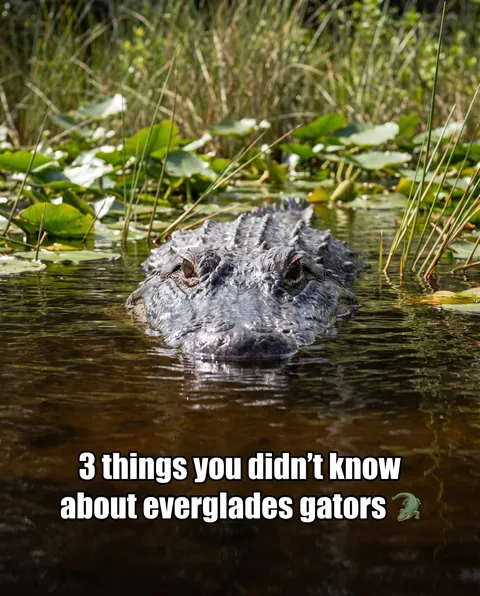
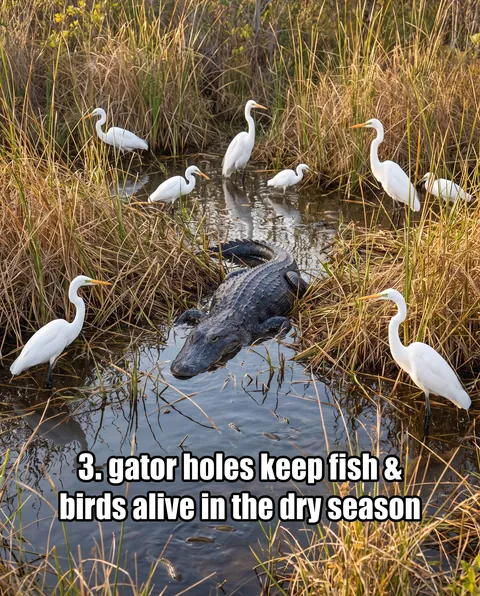
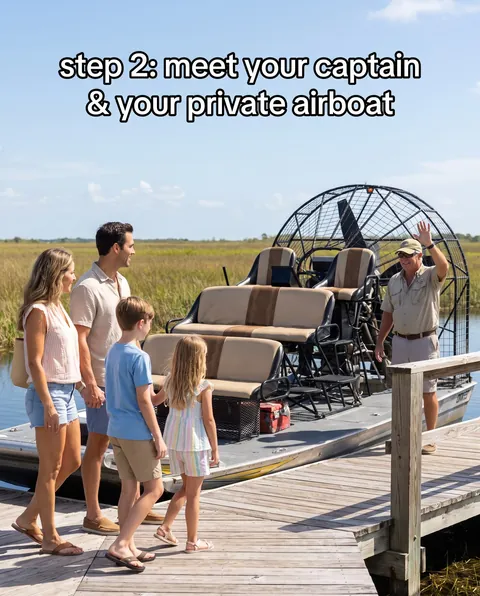
Today, driving the Trail is still one of the easiest ways to see the Everglades up close. You pass long views of sawgrass, cypress domes, wading birds in the canal and alligators sunning on the banks. Airboat rides along this corridor are one way visitors get out onto the water itself. Either way, it helps to remember that the road you are on is part of the story, both how the Everglades was opened up and how it is now being repaired.
Quick answers
When did the Tamiami Trail open?
The Tamiami Trail officially opened on April 26, 1928, after about thirteen years of planning and construction that began in 1915.
Why is it called the Tamiami Trail?
The name combines Tampa and Miami, the two cities the highway was built to connect. The Everglades crossing between Naples and Miami is the best-known section.
Why were bridges added to the Tamiami Trail?
The original roadbed acted like a dam, blocking the slow southward sheetflow of water into Everglades National Park. Bridges and road raising let more water pass under the highway toward Shark River Slough.