What Is Sawgrass? Meet the Plant Behind the River of Grass
Sawgrass is the plant that gives the Everglades its famous look: mile after mile of tan-green blades running to the horizon, broken only by islands of trees. Its scientific name is Cladium jamaicense, and despite the name, it is not a grass at all. It is a sedge, a member of the family Cyperaceae. It is also the plant behind the phrase Marjory Stoneman Douglas made famous in 1947, when she called the Everglades a "river of grass."
A sedge, not a grass
Sedges and grasses look alike from a distance, and many people never think twice about the difference. Up close, sedges tend to have solid, often triangular stems, while true grasses usually have round, hollow stems with joints along them. An old classroom rhyme sums it up: "sedges have edges." Sawgrass happens to live up to that rhyme twice over.
Sawgrass is an evergreen, long-lived perennial. In the Everglades it commonly stands three to six feet tall, and on deep, rich peat with long flooding it can top nine or even ten feet. It spreads by underground stems, which is why it forms the dense, nearly solid stands you see from the water.
Why it is called sawgrass
Run a finger along a sawgrass blade, and you will understand the name quickly. The edges are lined with tiny, sharp teeth, much like a saw blade. A light brush may do nothing, but dragging a blade across bare skin can scratch or cut, and it snags clothing easily. Early travelers who tried to push through the marsh on foot learned to respect it, and today it is one reason people see the open glades from a boat or a boardwalk rather than wading through them.
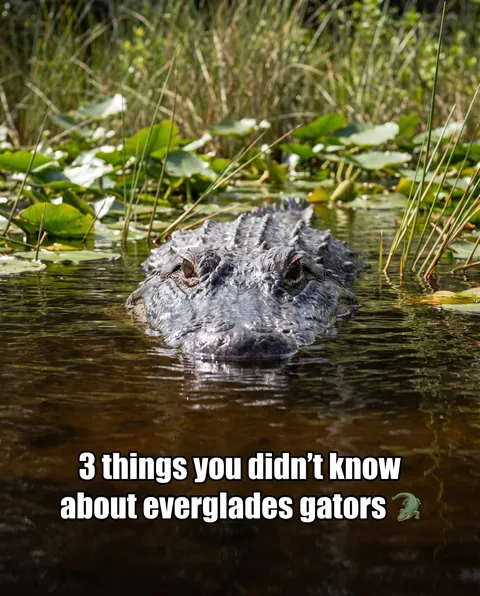
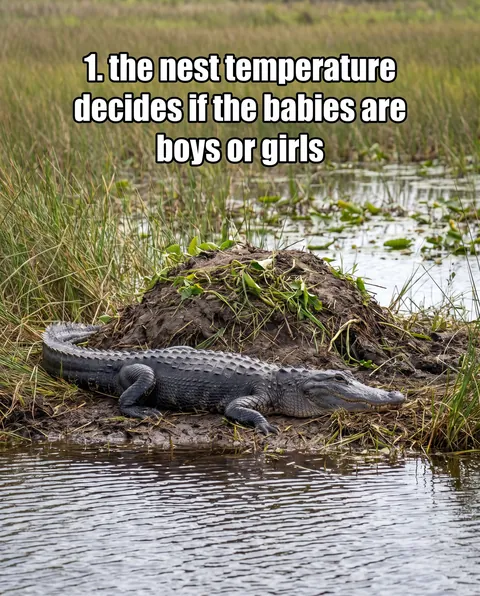
Those teeth are not just a nuisance. Tough, toothed leaves make the plant coarse and unpleasant to push through, and the dense stands offer cover. Alligators often build their nests in sawgrass, and many smaller animals shelter at its base.
Built for fire and flood
The Everglades has always burned. Lightning from summer thunderstorms has started marsh fires for thousands of years, and sawgrass is well suited to them. Fire sweeps through the dry upper leaves quickly, sometimes even over standing water, but the roots and underground stems sit low, protected by wet soil and water. The plant regrows from below, and fresh green shoots soon push up through the ash.
Fire actually helps keep the sawgrass marsh a marsh. Without periodic burns, shrubs and trees would slowly creep in. The real danger comes when the marsh is drained or suffers a deep drought, so that fire burns into the soil itself instead of just the leaves.
Sawgrass is equally at home with water. Its marshes are flooded for much of the year, from a few months in shallower spots to nearly year-round in the deepest areas. In general, the longer the flooding and the deeper the soil, the taller and thicker the stands grow.
Sawgrass and peat
Over centuries, dead sawgrass leaves and roots have fallen into the water. Because waterlogged ground holds little oxygen, that plant material breaks down very slowly and builds up as peat, a dark, spongy soil made of partly decayed plants. In many parts of the Everglades, the sawgrass is growing on soil its own ancestors made.
That peat matters. It stores water, holds carbon, and gives the marsh its slight variations in height, which in turn shape where different plants and animals can live. When peat dries out, it can shrink, oxidize and even burn, which is one reason drainage did so much lasting damage south of Lake Okeechobee.
Why sawgrass dominates the river of grass
Sawgrass thrives where many plants struggle. The historic Everglades was very low in nutrients, especially phosphorus, and sawgrass is adapted to make the most of that lean diet. It handles long flooding, survives fire and spreads underground. Put those traits together across a landscape that is almost perfectly flat, and you get the vast, nearly uniform sawgrass plains that defined the region.
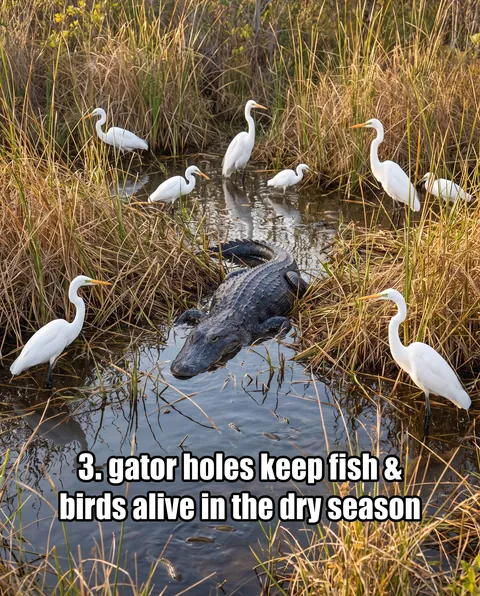
Dense sawgrass is not the most diverse habitat; few plant species grow beneath its thick cover. But it works as part of a mosaic. Between the sawgrass ridges run slightly deeper channels called sloughs, where open water lets fish, turtles and wading birds move and feed. Tree islands rise here and there on higher ground. The sawgrass ties all of it together.
That balance is sensitive. Where nutrient-rich farm and stormwater runoff has collected, dense stands of cattail have taken over areas that sawgrass once held. Keeping water clean, not just plentiful, is a big part of protecting the sawgrass marsh.
How water moves through the sawgrass
The Everglades is a river, just not the kind most people picture. The land drops less than two inches per mile on its way south, so instead of running in a channel, water spreads out in a wide, shallow sheet that drifts through the sawgrass toward Florida Bay and the Gulf. Scientists call this sheetflow.
It is slow. U.S. Geological Survey measurements in the Everglades found typical speeds of only about a third to half an inch per second, with the plants and the layer of leaf litter on the bottom slowing the water even more. That unhurried movement gives sunlight, algae and plants time to work on the water as it passes, and keeps the marsh wet well into the dry season.
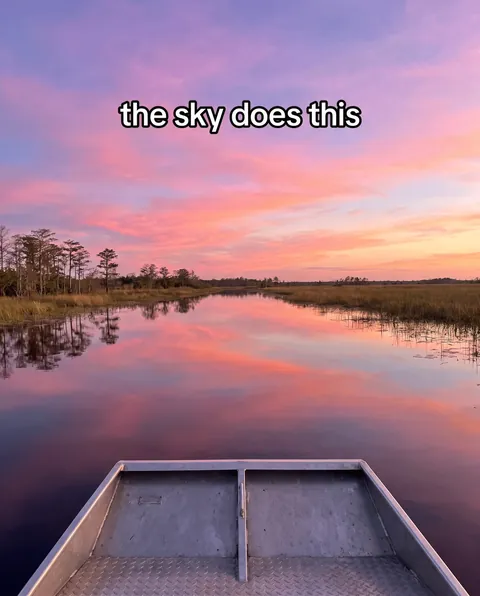
From an airboat seat, sheetflow is hard to see; the water often looks perfectly still. But if you watch the way the sawgrass leans, or how floating plants slowly shift, you are looking at one of the widest, slowest rivers in the world.
Quick answers
Can sawgrass really cut you?
Yes. The leaf edges are lined with tiny, sharp teeth that can scratch or cut skin if a blade is dragged across it. Long sleeves help if you are near it.
How tall does sawgrass grow?
It commonly reaches three to six feet. On deep peat soils with long flooding, it can grow nine to ten feet tall.
Does fire kill sawgrass?
Usually not. Fire burns the leaves, but the plant's base and roots are protected by wet soil and water, and the plant regrows from below. Fire becomes harmful when drought or drainage lets it burn into the peat.
Sources
- Sawgrass Marshes - Florida Museum of Natural History
- Cladium jamaicense - Florida Native Plant Society
- Saw Grass - Florida 4-H Forest Ecology (UF/IFAS)
- Sheet-flow velocities and factors affecting sheet-flow behavior (USGS Fact Sheet 2004-3123)
- Everglades - Florida Museum of Natural History
- Marjory Stoneman Douglas - Everglades National Park (NPS)