The Best Time to Visit the Everglades
For most visitors, the best time to visit the Everglades is the dry season, roughly December through April. Temperatures are mild, humidity is low, mosquitoes are fewer, and wildlife gathers around the remaining water, which makes it easier to see. That is also why it is the busiest time of year. The wet season, roughly May through November, is hotter, stormier and buggier, but the marsh is full, green and quiet, and it has its own rewards.
The exact timing shifts from year to year, so think of the seasons as tendencies rather than switches.
The dry season: December to April
This is the Everglades most people picture: blue skies, comfortable days and birds everywhere. According to Everglades National Park, average highs run from the upper 70s in January to the mid-80s by April, with lows from the mid-50s to around 60. The park receives only about a quarter of its yearly rain during these months.
Why wildlife is easier to see
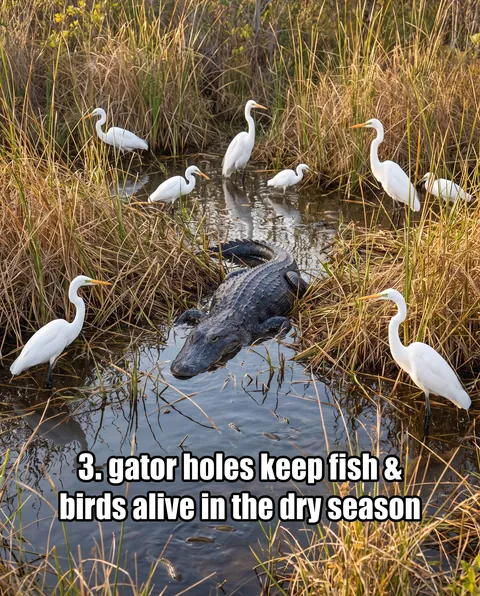
As rain tapers off, the vast sheet of shallow water slowly shrinks into deeper sloughs, ponds and alligator holes. Fish concentrate in that remaining water, and the animals that eat fish follow. Wading birds such as herons, egrets and ibises gather to feed, and many nest during the dry season because concentrated food makes it easier to raise chicks. Alligators are often easy to spot basking on cool, sunny mornings.
Month by month
- December and January: the coolest months. An occasional cold front can push temperatures near freezing overnight. Bring a jacket for mornings on the water.
- February and March: often considered the sweet spot, with mild weather, low rain and strong bird activity. Also peak visitor season.
- April: warmer, with water levels approaching their lowest in many areas. Wildlife viewing can be excellent, and crowds begin to thin late in the month.
The wet season: May to November
Summer in the Everglades is hot and humid. Average highs reach the upper 80s to low 90s, and the park notes that high humidity can push the heat index above 100. Afternoon thunderstorms become almost daily as sea breezes collide over the peninsula. Monthly rainfall averages several inches, peaking around nine inches in June.
All that rain is what keeps the Everglades alive. The marsh fills, periphyton (the algae mats at the base of the food web) comes back to life, and the landscape turns a deep, vivid green. Clouds build into dramatic towers by afternoon, and sunsets can be spectacular.
Month by month
- May: a transition month. Heat builds and the first summer storms usually arrive late in the month.
- June through August: the hottest, wettest stretch. Mornings are the most comfortable and most reliable time to be outside.
- September and October: still warm and stormy, with the heart of hurricane season. Rain begins to ease in October.
- November: drier and more comfortable as the season turns. A good shoulder month with fewer visitors.
Mosquitoes
The park is blunt that the wet season can produce a lot of mosquitoes. They are worst around dawn and dusk and in still, sheltered spots. Wind and boat speed help, but plan on repellent and long sleeves from late spring through fall.
Hurricane season
The Atlantic hurricane season runs from June 1 to November 30. The National Hurricane Center puts the climatological peak around September 10, with most activity between mid-August and mid-October. Most days, even in hurricane season, are simply hot and humid with afternoon storms. But if a tropical system threatens, parks, roads and tour operators may close before, during and after it. If you travel in late summer or early fall, keep an eye on forecasts and choose plans you can change.
Crowds
Visitation peaks in the dry season, especially from the winter holidays through spring break. Expect busier parking areas and fuller tours in February and March, and book ahead when you can. Summer brings far fewer visitors. Some ranger-led programs in the national park are not offered then, though guided tours still run.
Mornings vs. afternoons
Time of day matters almost as much as the month.
- Morning: cooler, calmer and often the best for wildlife. In summer it is the safest window before storms build.
- Midday: bright and hot. Good visibility, but harsh light for photos and less animal activity in summer heat.
- Late afternoon and sunset: softer light and birds flying to roost. In the dry season this is a lovely time on the water. In the wet season, watch the sky, because afternoon storms can linger.
Whatever the season, lightning is the hazard to respect. If you hear thunder, get off open water and wait at least 30 minutes after the last rumble before heading back out.
So, when should you go?
If wildlife is your top priority and you like comfortable weather, aim for January through March. If you want quieter days and the Everglades at its greenest, consider May, early June or November, and plan your outdoor time for the morning. Even in midsummer, a morning airboat ride across a flooded sawgrass marsh shows you a side of the River of Grass many visitors never see.
Quick answers
What is the best month to visit the Everglades?
For most visitors, January through March offers the best mix of mild weather, fewer mosquitoes and strong wildlife viewing. Those months are also the busiest.
Is it worth visiting the Everglades in summer?
Yes, if you plan around the heat and storms. Go in the morning, wear repellent and expect afternoon thunderstorms; the marsh is at its greenest and crowds are light.
When is hurricane season in South Florida?
The Atlantic hurricane season runs June 1 to November 30, with the most activity typically between mid-August and mid-October.