Sunset in the Everglades: What Changes at Dusk
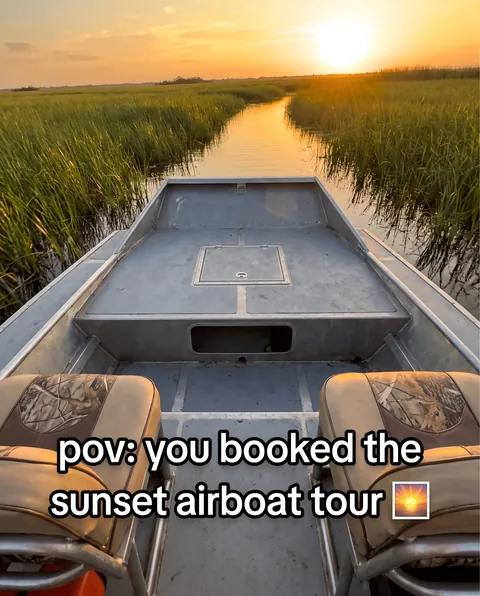
Sunset is when the Everglades changes shifts. The heat eases, the light turns gold, flocks of wading birds head for their evening roosts, and alligators, which are most active between dusk and dawn, start to stir. The wide, flat marsh and shallow water turn the whole scene into a giant mirror for the sky. It is one of the most memorable times to be on the water, as long as you plan for the bugs and the dark that follow.
When is sunset in Miami?
Sunset times in South Florida swing by almost three hours over the year, partly because of the seasons and partly because of daylight saving time.
- Earliest sunsets: around 5:30 p.m. in late November and early December.
- Latest sunsets: around 8:15 p.m. in late June and early July.
- Spring and fall: roughly 7:10 to 7:30 p.m. in mid-March and late September, with a one-hour jump whenever the clocks change.
The western Everglades along the Tamiami Trail sit slightly west of downtown Miami, so sunset there comes a minute or so later. Check an exact time for your date before you go, and plan to be on the water at least an hour before sunset to catch the best light.
The light and the sky
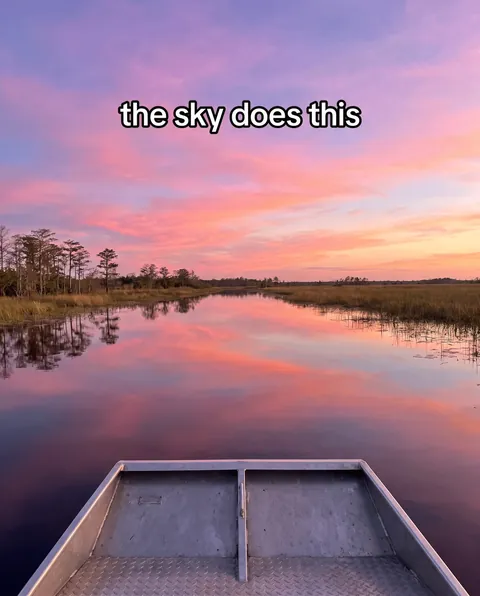
The Everglades is famously flat, which means almost nothing blocks the horizon. As the sun drops, the light skims low across the sawgrass and turns it bronze and gold. Tree islands and cypress domes become dark silhouettes. On calm evenings, the shallow water between the grasses reflects the sky almost perfectly, so you get color above and below.
Clouds make sunsets better here, not worse. In the wet season, roughly May through November, towering afternoon thunderheads often break up by evening and catch pink and orange light long after the sun has set. In the dry season, roughly December through April, skies are often clearer and the colors softer, with a crisp band of orange along the horizon.
The show is not over when the sun disappears. The twenty minutes or so after sunset, when the sky glows and the marsh goes blue, are often the most beautiful of the day.
Birds heading to roost
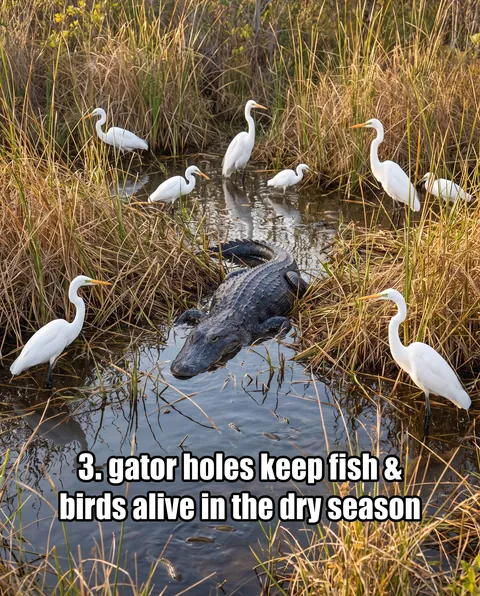
One of the great evening sights in the Everglades is the movement of wading birds. After a day of feeding spread out across the marsh, egrets, herons and ibises gather and fly toward communal roosts, often in tree islands, where they spend the night in groups. Roosting together helps protect them from predators. Long lines of white birds crossing a sunset sky is a scene naturalists have been describing here since Audubon's time.
Anhingas and cormorants settle onto snags, and you may hear the rough calls of night herons beginning their shift. Night herons often roost by day and feed after dark, so dusk is when they become active.
Alligators on the move
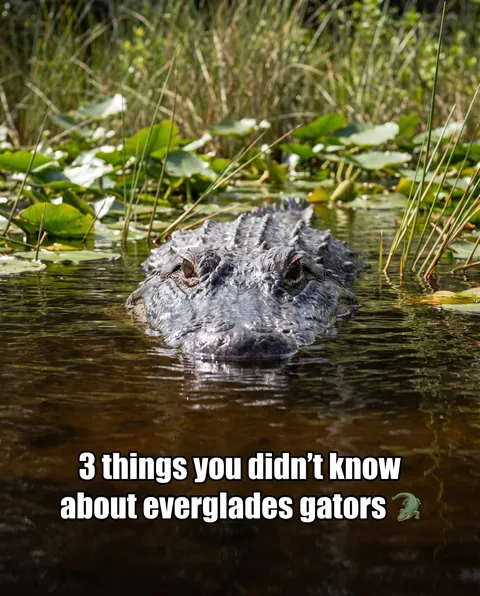
Alligators spend much of the day basking or resting still in the water. According to the Florida Fish and Wildlife Conservation Commission, they are most active between dusk and dawn, when they hunt. At sunset you may notice more gators cruising slowly through the water with just their eyes and snouts showing, rather than lying on a bank.
After dark, their eyes reflect light and glow red in a flashlight beam, which is how wildlife researchers count them at night. As always, watch from the boat, keep your distance and never feed them. Feeding alligators is illegal in Florida.
Mosquito timing
Here is the trade-off. Many native mosquitoes are most active at dusk and dawn, and the Everglades has plenty of them, especially in the wet season. Wind and boat speed keep them away while you are moving, but they find you fast when the boat stops and the air goes still.
- Apply an EPA-registered repellent, such as one with DEET or picaridin, before you board.
- Wear long sleeves and long pants in light colors.
- Dry-season evenings are usually much less buggy than summer ones.
Safety on the water at dusk
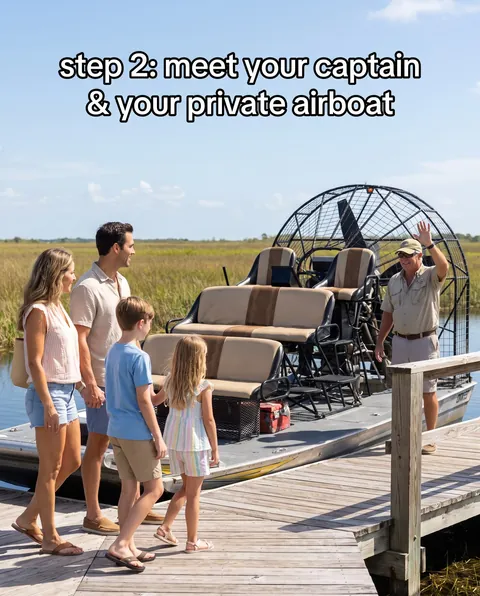
Darkness falls quickly in the subtropics once the sun goes down, and the Everglades has no streetlights or landmarks most visitors would recognize. That is why sunset outings are best done with an experienced captain who knows the water and is equipped to run safely in low light. If you are booking a sunset ride, ask what time the boat returns so you know whether to expect the afterglow on the water or at the dock.
A few other tips:
- Bring a layer. In winter, temperatures drop noticeably after sunset, and the boat's wind makes it feel colder.
- Watch the weather. Summer storms can linger into the evening. Lightning anywhere in the area means getting off the water.
- Secure your gear. It is easy to lose a phone in a dark boat. Use a strap or a zippered pocket.
- Keep your hands inside the boat. Low light makes it harder to judge what is in the water.
Plan for the mosquitoes and the cooler air, and an Everglades sunset rewards you with a sky that seems twice as big as anywhere else and a marsh waking up for the night.
Quick answers
What time is sunset in the Everglades?
Near Miami, sunset ranges from about 5:30 p.m. in late November and early December to about 8:15 p.m. in late June and early July. Check the exact time for your date.
Are alligators more active at sunset?
Yes. Florida wildlife officials say alligators are most active between dusk and dawn, so you are more likely to see them moving through the water in the evening.
Are mosquitoes bad at sunset in the Everglades?
They can be, especially in the wet season. Wear repellent and long sleeves; dry-season evenings are usually much less buggy.