The Snail Kite: The Everglades Hawk That Lives on Apple Snails
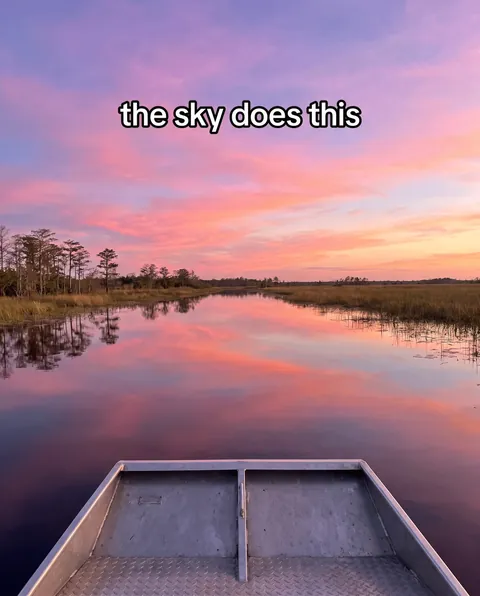
Watch the marsh long enough from an airboat and you may see a hawk flying low and slow over the sawgrass, head tipped down, wings beating more than you would expect from a bird of prey. Then it drops, snatches something from just below the surface with its feet and flies off to a perch. That is a snail kite, and what it caught was almost certainly an apple snail. Few birds in North America are as specialized, and few tell us as much about the condition of the Everglades.
How to recognize a snail kite
The snail kite is a medium-sized raptor. Adult males are slate gray with a white patch at the base of the tail and bright red-orange eyes and legs. Females and young birds are brown and heavily streaked. In every plumage, the giveaway is the bill: thin, black and sharply hooked, like a curved needle.
In flight, snail kites look floppy and unhurried compared with a northern harrier, which hunts the same marshes. Kites flap often, hover briefly and keep their heads pointed at the water, scanning for snails.
One bird, one food
Snail kites feed almost entirely on apple snails. They do not dive. Instead they glide low, grab a snail at or just below the surface with their talons and carry it to a perch, often a willow, a cypress snag or a fence post. There the kite uses that slender hooked bill to reach inside the shell, cut the muscle that holds the snail in place and pull the body out. Piles of empty shells under a favorite perch are a sure sign that a kite has been feeding there.
This kind of specialization is efficient when snails are plentiful. It is dangerous when they are not. A bird that eats one thing has nowhere else to turn if that one thing disappears.
Why water levels decide everything
Apple snails need water. They live in shallow, open marsh, breathe air at the surface and lay their pink or white eggs on plant stems just above the waterline. If the marsh dries out for too long, snails die off. If water rises too fast during the breeding season, it can drown their eggs. Kites need the same shallow, open water to spot their prey, and dense stands of cattail or invasive plants hide snails from view.
So the snail kite's fortunes rise and fall with the water. The National Park Service notes that nearly continuous flooding of wetlands is needed to support apple snail populations. That is exactly the kind of steady, natural water flow that a century of canals, levees and drainage disrupted. Kites are nomadic rather than migratory: they move around central and South Florida from Lake Okeechobee and the Kissimmee chain of lakes to Water Conservation Areas and the Everglades, following the water and the snails.
Endangered since 1967
The Florida population of the snail kite was listed as endangered in 1967, in the first group of species protected under federal law. Its main threats are the loss and degradation of wetlands, nutrient-rich runoff that feeds invasive plants such as cattail, water hyacinth and hydrilla, and water management that changes how and when the marsh floods.
The population has swung wildly. About 3,000 kites lived in Florida in 2001, before a severe drought that year cut the population roughly in half. Another drought in 2007 left only about 750 birds, perilously close to extinction.
The invasive snail that saved it, for a while
Then came an unexpected lifeline. Non-native apple snails from South America, released through the aquarium trade, spread through Florida's lakes and marshes. They are larger than the native Florida apple snail, grow to about the size of a tennis ball, breed year-round and lay hundreds to a thousand eggs at a time. Kites began eating them, and by 2019 the population had rebounded to roughly 3,000 birds.
Biologists have mixed feelings about this. The big invasive snails gave kites more food, but young kites sometimes struggle to handle shells that are so large, and the invaders compete with native snails and eat native plants. Recent droughts have hit the invasive snails too, and population estimates have slipped back to about 2,000. Researchers counted only about 30 successful kite nests statewide in a recent nesting season, far too few to sustain the population.
A barometer for the River of Grass
Scientists call the snail kite an indicator species. Because it depends so directly on apple snails, and apple snails depend so directly on water, the number of kites and the success of their nests are a readout of how well the Everglades' water is being managed. When kites do well, it usually means the marsh is holding water the way it should.
That is why Everglades restoration matters to this bird. Projects that send cleaner water south from Lake Okeechobee, restore sheet flow through the Water Conservation Areas and reduce harmful swings in water levels all improve conditions for apple snails, and therefore for kites.
Watching snail kites responsibly
Snail kites can sometimes be seen from levees, the Tamiami Trail and open marsh areas west of Miami. Nesting kites are sensitive to disturbance, so wildlife managers close some areas around active nests during the breeding season, usually winter through summer. If you see a kite on a nest, give it plenty of room and enjoy it through binoculars or a long lens.
Quick answers
What do snail kites eat?
Almost entirely apple snails, which they catch with their feet at the water surface and extract with their thin, hooked bill.
Are snail kites endangered?
Yes. The Florida population was listed as endangered in 1967.
How many snail kites are in Florida?
Estimates have ranged from about 750 after the 2007 drought to roughly 3,000 in 2019, with recent estimates near 2,000.
Where can I see a snail kite?
In open freshwater marshes and lake edges of central and South Florida, including parts of the Everglades west of Miami.